You can build useful drumming skills without fitting a drum kit into your apartment. A practice pad, a phone app, and a focused 20-minute routine are enough to work on timing, stick control, and coordination while keeping noise manageable.
Start With a Practice Pad That Fits Your Space
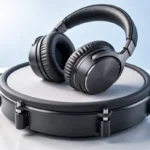
A practice pad gives your sticks a consistent surface for learning basic strokes. Look for a stable pad that does not slide around, and choose a size you can use comfortably on a desk or stand. A larger pad gives you more room to move; a smaller one is easier to store. Neither size will improve your playing on its own.
Rubber pads usually offer some rebound, but different surfaces can feel and sound noticeably different. If you can, listen to a pad in person before choosing one. Our guide to practice drum pads covers options worth considering. You do not need a pad with built-in electronics to begin.
Get a pair of matched drumsticks that feel comfortable in your hands. Sit or stand with relaxed shoulders and your wrists free to move. The pad should be high enough that you do not have to hunch over it. If a table wobbles, fix that first: a steady playing surface makes it easier to notice what your hands are doing.
Keep the Sound and Vibration Down
A pad is quieter than a drum, but it is not silent. Stick impacts can be heard through a wall, while a desk, stand, or floor can carry vibrations to another apartment. Start by practicing during reasonable hours and checking how much sound reaches nearby rooms.
Put the pad on a stable surface with a folded towel or suitable mat underneath if that reduces rattling. Keep it away from shared walls, and avoid striking harder just because the pad feels forgiving. Gentle, controlled strokes are useful practice. If you use a stand, check whether its feet transmit tapping into the floor.
Headphones can let you hear a metronome without adding speaker noise, though they will not hide stick impacts from neighbors. Our earbuds and headphones comparison can help if you need a comfortable option for regular sessions. Keep the volume low enough to hear what is happening around you. If even a pad is too loud at certain times, practice counting rhythms, moving your hands without sticks, or reading simple notation instead.
Use Apps for Feedback, Not as a Shortcut
A basic metronome app is one of the most useful drumming tools you can put on a phone. Set a comfortable tempo and try to place each stroke with the click. Some apps offer rhythm exercises or show whether taps land early or late, but phone microphones may not capture every pad hit reliably. Treat the display as a clue, not a final verdict.
Recording a short video can reveal uneven stick heights, tense shoulders, and a hand that rushes ahead. Watch one minute rather than reviewing an entire session. Pick one issue to work on, then record again later to see whether it improves.
Keep the phone far enough from the pad that it will not be knocked over. You can download a metronome and use it without notifications interrupting practice. If saved videos begin to crowd your device, our guide to freeing up Android phone storage offers ways to make room. No app can replace careful listening and steady repetition, so choose simple tools you will actually use.
Build Stick Control Before Chasing Speed
Start with single strokes: right, left, right, left. Aim for an even sound and similar stick height on both sides. Then try double strokes: right, right, left, left. Play slowly enough that the second note does not become weak or rushed. You can practice a basic paradiddle next: right, left, right, right; left, right, left, left.
Use a metronome at a pace where you can stay relaxed for a full minute. If your grip tightens or the notes become uneven, slow down. Speed is easier to build on top of consistent motion than on top of a pattern you can barely control.
Pay attention to your weaker hand without forcing it to copy your stronger hand at full speed. Let the stick rebound instead of pressing it into the pad. Take a short break if you feel pain, tingling, or growing strain; practice should not be an endurance test for your wrists. A few clean minutes repeated often will teach you more than a long session of tense, messy strokes.
Try a 20-Minute Routine You Can Repeat
A short routine works best when each part has a job. Set a timer so you do not spend the whole session warming up or checking an app. Keep the tempo comfortable, and write it down along with one observation after you finish.
- Minutes 0–3: Warm up with slow, relaxed single strokes, listening for an even sound.
- Minutes 3–8: Play single strokes with a metronome. Count aloud and check that both hands stay steady.
- Minutes 8–13: Practice double strokes or paradiddles slowly, focusing on clean note spacing.
- Minutes 13–17: Tap a simple beat while counting four beats per measure. Change just one part at a time.
- Minutes 17–20: Record a short pass, listen or watch it, and note one goal for tomorrow.
Do not raise the tempo every day by default. Stay at one speed until the pattern feels controlled several times in a row. On a busy day, doing the warm-up and one focused exercise is better than skipping practice because you cannot complete the full routine.
Practice Foot Coordination Without Stomping
Drumming involves more than your hands, even when all you own is a pad. Sit in a stable chair and tap one foot gently on the floor while your hands play a simple pattern. For example, tap your foot on beats one and three, and play the pad on beats two and four. Count aloud so you know where each note belongs.
Soft foot movement is enough to learn when a note should happen. Stomping adds noise and may make it harder to stay relaxed. If the floor carries vibration, practice the foot motion without making contact, or leave foot exercises for a time and place where they will not disturb anyone.
A pad cannot fully reproduce the feel of pedals, cymbals, and multiple drums. It can still prepare your timing and coordination for a later kit. If you are curious about that next step, read how an electronic drum set works. Electronic kits also create physical tapping and pedal noise, so they are not automatically silent apartment solutions.
Choose the Simplest Setup That Solves Your Problem
You do not need every practice gadget at once. Match the tool to the skill you want to improve and the amount of sound your home can tolerate. A stable pad and a metronome cover a great deal of beginner practice; add something else only when you know what it will help you do.
- For stick control: Use a standard practice pad and matched sticks. Focus on even strokes before adding more gear.
- For timing: Use a metronome app or a simple standalone metronome. Start slowly and record the tempo you can play cleanly.
- For checking technique: Use a short phone recording. Look for one visible or audible problem at a time.
- For the quietest session: Count, read rhythms, and rehearse movements without striking a surface.
Before buying a stand, check whether a sturdy table puts the pad at a comfortable height. Before paying for an app, try its basic timing functions and see whether the feedback is clear. The best setup is the one you can use regularly without strain, clutter, or conflict with the people around you.
Frequently Asked Questions
Can I learn drums using only a practice pad?
You can build timing, stick control, and basic rhythm skills on a pad. You will eventually need time on a kit to learn drum placement, cymbals, and pedal feel.
Are practice pads quiet enough for an apartment?
They are quieter than drums, but stick impacts and vibrations can still travel. Try gentle strokes during reasonable hours and check how much sound reaches nearby rooms.
Do I need a paid drumming app?
No. A basic metronome and short phone recordings are enough to start practicing and checking your progress.
How often should I follow the 20-minute routine?
Aim for a schedule you can repeat, even if that means only a few days a week. Consistent, focused practice matters more than raising the tempo at every session.
Final Thoughts
You can make real progress without a kit by keeping your setup quiet and your practice specific. Start with a stable pad, use a metronome, follow a short routine, and listen for steady improvement rather than speed alone.