A waterproof label can make a gadget sound ready for anything, but an IP rating describes a limited set of laboratory conditions. Knowing what IP67 and IP68 mean can help you handle a wet phone, watch, or pair of earbuds without trusting it to survive more than its rating promises.
What an IP Rating Actually Measures
IP stands for Ingress Protection. The rating has two digits: the first describes protection against solid objects, including dust, and the second describes protection against water. In IP67 and IP68, the 6 means the enclosure is rated dust-tight under the relevant test standard. The 7 and 8 describe different levels of water protection.
An IP rating applies to a device in the condition used for certification. It does not mean every opening can be left uncovered, or that a damaged device will keep the same protection. Check the maker’s instructions for requirements such as a closed port cover or a properly fitted seal.
The rating also does not measure every kind of exposure. Water temperature, pressure, movement, and chemicals can change the risk. Think of an IP code as useful evidence about a specific test, not a promise that water cannot get inside. If a product has no published IP rating, do not assume it offers the same protection just because it looks sealed.
IP67: What It Can Survive
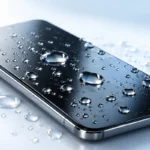
An IP67 device is dust-tight and rated for temporary immersion in water. The standard IPX7 test involves immersion for 30 minutes at a depth of up to 1 meter, under specified conditions. That gives some reassurance if a device slips into a sink or gets caught in heavy rain.
It is not an invitation to use the device underwater. Dropping a phone into water, moving it around, and pressing buttons are not the same as leaving a test sample still in a controlled tank. A fall can damage seals before the water exposure even begins.
When comparing phones, treat IP67 as one feature among many, not the deciding factor. Our guide to choosing a budget smartphone covers other everyday trade-offs worth checking. If water protection matters to you, read the exact model’s specifications and care instructions rather than relying on a general claim about its product range.
IP68: Why the Fine Print Matters
IP68 also means dust-tight, but its water rating covers continuous immersion under conditions stated by the manufacturer. Those conditions must be more demanding than the IPX7 immersion test. There is no single depth and duration that applies to every IP68 device, so two products with the same code may have different stated limits.
Look for a depth, time limit, and any other conditions in the official specifications. If one device says 1.5 meters for 30 minutes and another states a different limit, the shared IP68 label does not erase that difference. Neither rating promises safe use at greater depths or for longer periods.
Small wearables deserve the same close reading as phones. A fitness tracker may have an IP rating, a separate swim-use claim, or both; these are not interchangeable. If you are deciding between wearable types, our fitness tracker and smartwatch comparison can help you weigh features alongside water protection. Follow the limits given for the exact device you own.
Splash Resistance Is Not the Same as Submersion
A splash can come from rain, a tap, or a spilled drink. Submersion surrounds the device with water and can expose seals and openings to sustained pressure. A product rated for splashes should not be treated as safe to drop into a bath, even if it has handled rain before.
Water ratings also describe different tests, not a simple ladder of every real-world situation. An immersion rating does not automatically tell you how a device will handle a strong water jet. If you need protection from sprayed or pressurized water, check whether the manufacturer states an appropriate rating and use conditions for that exposure.
This distinction matters with portable audio. Earbuds used during a workout may need to cope with sweat and occasional rain, while headphones worn at home face different risks. Our earbuds versus headphones guide discusses the wider choice. For either type, check the rating of each part: the earbuds and their charging case may not have the same protection.
Waterproof Does Not Mean Safe Around Every Liquid
IP immersion tests use fresh water under controlled conditions. Salt water, pool chemicals, soap, sugary drinks, and hot water can affect seals or leave harmful residue. A phone that survives a brief freshwater accident might still be damaged by a shorter exposure to a different liquid.
Heat adds another problem. A hot shower or steam-filled room is not the same environment as an immersion test, and high temperatures can stress adhesives and seals. Our guide to protecting gadgets from summer heat explains other reasons to keep electronics out of hot places.
If a device meets salt water or another liquid, follow its manufacturer’s cleaning guidance. Some makers recommend a gentle freshwater rinse for certain sealed products; others do not. Do not assume that advice for a watch applies to a phone or charging case. After any wet exposure, dry the outside and keep water away from connectors until they are completely dry. Avoid trying to force moisture out with heat.
How Protection Can Change Over Time
An IP rating describes a tested design, not a permanent property that never changes. Drops, bent frames, cracked screens, worn covers, repairs, and ordinary aging can weaken water protection. Even a device with no visible damage may be less resistant after years of use.
Pay particular attention to places where water could enter: charging ports, speaker openings, buttons, trays, and seams. Do not poke material into an opening to clear it, and make sure any removable cover is fitted as instructed. If a phone has been opened for repair, ask the repair provider what, if anything, can be said about its water resistance afterward.
Water damage may also be excluded from a warranty even when a device has an IP rating. Read the warranty terms rather than assuming the rating guarantees a free repair. For an older or damaged gadget, the safest approach is to avoid deliberate water exposure. A rating can reduce the risk of an accident, but it cannot make that risk disappear.
A Practical Checklist for Wet Gadgets
Before choosing or using a device around water, match its stated protection to the situation. This quick checklist separates what a rating says from the habits that help prevent damage.
- Check the exact model. Find its IP code and the manufacturer’s stated water-test limits; do not rely on a similar model’s rating.
- Match the exposure. Rain, a brief freshwater drop, swimming, and a hot shower present different risks. Do not treat IP67 or IP68 as a blanket approval for all four.
- Inspect the device. A crack, loose cover, or recent impact is a reason to be more cautious, regardless of the printed rating.
- Let connectors dry. If the device gets wet, wipe its exterior and follow its instructions before plugging in a charger or putting it in a charging case.
- Read the warranty. An IP rating and water-damage coverage are separate matters.
For most buyers, IP67 and IP68 are useful protection against accidents, not a reason to create new ones. The safest water exposure is still the one you can avoid.
Frequently Asked Questions
Is IP68 always better than IP67?
IP68 has a manufacturer-specified immersion test that is more demanding than IP67’s, but its exact depth and duration vary by device. Check the stated limits before comparing products.
Can I swim with an IP68 phone?
Do not assume so. An IP68 rating alone does not promise protection during swimming, which adds movement and may involve salt or pool chemicals.
Does a waterproof rating cover water damage under warranty?
Not necessarily. Check the device’s warranty terms, because water damage may be excluded even when the device has an IP rating.
Can I charge my device right after it gets wet?
Wait until the device and its charging connector are completely dry, and follow the manufacturer’s instructions. Charging while moisture remains in a port can cause problems.
Final Thoughts
IP67 and IP68 offer meaningful protection, but only within defined conditions. Check the limits for your exact gadget, keep it away from avoidable water exposure, and remember that damage and age can make any rating less reassuring.