Sleep trackers promise to show you what happens after you close your eyes, and maybe help you sleep better. But can a ring, a watch, or a bedside sensor really make a difference? We researched how these gadgets work, what the science says about their accuracy, and which habits their data can actually help you change.
What Sleep Trackers Are and How They Work
Most sleep trackers fall into three groups. The first is wearables, such as smartwatches, fitness bands, and smart rings. The second is “nearables”, like under-mattress pads or bedside devices that use radar. The third is phone apps that listen through the microphone or sense movement on the mattress.
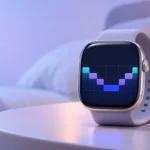
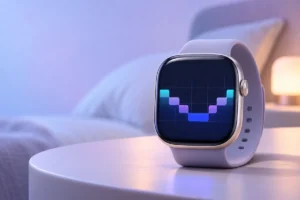
Wearables do most of the work with two sensors. An accelerometer notices when you move. An optical heart rate sensor shines light into your skin to measure your pulse. Some also check skin temperature and blood oxygen.
None of these sensors read your brain. Instead, the device uses software to make an educated guess about your sleep from your movement and heart patterns. That is the key thing to understand. A sleep tracker is an estimate, not a direct measurement.
If you are still choosing between a simple band and a full watch for this job, our guide to the difference between fitness trackers and smartwatches explains the trade-offs in comfort, battery life, and features.
What Wearables Measure Fairly Well
The good news is that modern trackers are reasonably good at the basics. Research comparing popular wearables with lab sleep studies generally finds they do a decent job at telling you when you fell asleep, when you woke up, and roughly how long you slept.
They are also good at tracking trends in your body over time. These include:
- Total sleep time: usually close enough to be useful, though often a little generous.
- Bedtime and wake time: great for spotting an irregular schedule.
- Resting heart rate: a reliable signal that changes with stress, illness, alcohol, and fitness.
- Heart rate variability (HRV) trends: useful when compared with your own baseline, not other people.
- Skin temperature changes: handy for noticing when something is off, like the start of a cold.
The word that matters here is “trends”. One night of data can be noisy. A few weeks of data, viewed together, can tell you something real about your routine.
What Is Mostly Guesswork
Now for the honest part. Sleep stages, meaning light, deep, and REM sleep, are where trackers are weakest. In a sleep lab, stages are measured with sensors on your head that read brain waves. A wrist or finger device cannot do that.
Studies show that consumer devices can get the overall stage pattern roughly right on average, but they often misjudge individual nights. Your “deep sleep” number might be off by a meaningful amount, in either direction.
Trackers also tend to miss short periods of wakefulness. If you lie very still while awake, the device may count that time as sleep. This is why many people see higher sleep totals than they expected.
Blood oxygen readings during sleep are also rough. They can hint at a problem, but they are not a medical test. Some watches now have regulator-cleared features that flag possible signs of sleep apnea, but even those are screening tools. Only a doctor and a proper sleep study can diagnose a sleep disorder.
The Trouble With Sleep Scores
Almost every tracker turns your night into a single number, such as a score out of 100. It feels neat and simple. But each brand builds its score differently, using its own formula and its own idea of what “good” sleep looks like.
That means a score of 82 on one device does not mean the same thing as 82 on another. It also means the score inherits all the guesswork from the sleep stage estimates underneath it.
There is a bigger risk too. Sleep researchers have described a pattern sometimes called “orthosomnia”, where people become so worried about getting a perfect score that the worry itself makes their sleep worse. Checking your score first thing every morning can set the mood for your whole day.
A healthier approach is simple. Trust how you feel first. If you wake up rested but your score is low, you probably slept fine. Use the score as a loose hint, not a grade.
Habits That Sleep Data Can Actually Improve
A tracker cannot put you to sleep. Its real value is as a mirror that shows the link between your habits and your nights. Here are the areas where data tends to help most.
- A steady schedule: seeing your bedtime jump around all week is often the wake-up call people need.
- Enough time in bed: many people simply do not give themselves enough hours, and the data makes this obvious.
- Late caffeine and alcohol: a raised resting heart rate after evening drinks is one of the clearest signals trackers show.
- Late workouts and big meals: you can test whether they affect your sleep personally.
- Bedroom conditions: some devices log temperature or noise, helping you spot a room that is too warm or loud.
If you want to control light and temperature automatically at night, our smart home starter guide covers simple devices like smart bulbs and plugs that can dim lights on a schedule.
Choosing the Right Type of Sleep Tracker
The best sleep tracker is the one you will actually use every night. Comfort and battery life matter more than a long list of sensors.
Smart rings are small and easy to forget you are wearing. Many people find them more comfortable in bed than a watch. Some require a subscription for full features, so check that before buying.
Smartwatches do much more than sleep tracking, but many need daily charging. If you charge it overnight, you will not get any sleep data at all.
Fitness bands are light, often cheaper, and usually last several days per charge.
Under-mattress or bedside devices mean nothing on your body, which suits people who hate wearing things in bed. They can struggle if you share a bed with a partner or a pet.
Phone apps are the cheapest way to start, but they are the least accurate for anything beyond rough timing and snoring sounds.
Practical Tips for Getting Real Value From Your Tracker
Whatever device you choose, these habits will help you get useful information instead of stress.
- Wear it consistently: a snug but comfortable fit gives cleaner heart rate readings.
- Look at weekly averages: ignore single bad nights and focus on two- to four-week trends.
- Change one thing at a time: if you cut late coffee, keep everything else the same so you can see the effect.
- Plan your charging: top up during a shower or morning routine so the device is ready by bedtime.
- Keep your phone out of reach: checking the app in the middle of the night defeats the purpose.
- Set a wind-down reminder: a gentle alert 30 to 60 minutes before bed is one of the most useful features.
- Take a break if it worries you: stopping tracking for a week or two is perfectly fine.
Since the tracker app lives on your phone, it is worth avoiding overnight charging habits that wear the battery down. Our tips on keeping your phone battery healthy for years explain settings like optimized charging.
Many people also fall asleep to calming sounds or podcasts. If you do, comfortable audio matters. Our comparison of wireless earbuds versus headphones can help you pick something that will not dig into your ears when you lie on your side.
Frequently Asked Questions
Are sleep trackers accurate?
They are fairly good at estimating when you fell asleep, when you woke up, and your total sleep time. They are much less reliable at measuring sleep stages like deep and REM sleep on any single night.
Can a sleep tracker diagnose sleep apnea or insomnia?
No. Some devices can flag possible warning signs, but only a doctor and a proper sleep study can diagnose a sleep disorder.
Is a smart ring better than a smartwatch for sleep tracking?
Rings are often more comfortable to wear in bed and usually last longer per charge, but accuracy is broadly similar. The better choice is the one you will wear every night.
Should I worry if my sleep score is low?
Not on its own. If you feel rested, trust that over the number, and only pay attention if low scores and poor energy continue for weeks.
Final Thoughts
A sleep tracker will not fix your sleep by itself, and its sleep stage numbers are educated guesses at best. But it can be a useful mirror. It shows you when your schedule drifts, how late drinks or meals affect your heart rate, and whether you give yourself enough time in bed.
Use the data to build steady habits, focus on trends rather than single scores, and listen to how you feel. If you have ongoing sleep problems, talk to a doctor instead of relying on a gadget.