Retro gaming is a fun and affordable hobby, but the market is full of cheap “thousands of games in one box” devices, fake cartridges and overpriced listings. This guide explains the safest ways to start, using official mini consoles, legal re-releases and smart second-hand buying habits. We researched the main options so you can enjoy classic games without scams or legal worries.
Why “Safe” Matters When You Start Retro Gaming
When people search for retro games, they often find small consoles or sticks that promise huge game libraries for a very low price. Many of these devices come loaded with game files that the sellers have no right to sell.
That creates a few problems for you as a buyer:
- The quality is often poor, with laggy controls, broken games and weak sound.
- Listings can disappear from marketplaces, which makes returns and support difficult.
- The games are usually unlicensed, so the people who made them earn nothing.
- Cheap power adapters that come with these boxes may not meet basic safety standards.
Copyright rules differ by country, and we are not giving legal advice here. The simple point is this: if you stick to official products and real, original games, you avoid the gray zone completely.
The good news is that safe options are now easy to find. Big game companies have spent years re-releasing their classics, so you rarely need to take a risk to play the games you remember.
Official Mini Consoles: The Easiest Starting Point
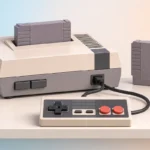
Official mini consoles are small, modern versions of classic systems. They come with a fixed set of licensed games built in, plus one or two controllers. You plug them into a TV and start playing.
Well-known examples include the NES Classic Edition and SNES Classic Edition from Nintendo, the Sega Genesis Mini (called Mega Drive Mini in some regions) and its sequel, and the PlayStation Classic. Several of these are no longer made, so you will often find them on the second-hand market.
Why they are a good first step:
- Every game is licensed and works as intended.
- They connect to modern TVs over HDMI.
- Setup takes a few minutes, with no technical skills needed.
There are limits too. You cannot add more games officially, and some included controllers have short cables. Also, several mini consoles are powered over USB and do not always include a wall adapter in the box. Our guide on USB cables, chargers and power basics can help you pick a safe charger to use with them.
Subscriptions and Digital Re-Releases
If you already own a modern console or a gaming PC, you may not need any new hardware at all. Many classic games are available legally through subscriptions and digital stores.
Common options include:
- Nintendo Switch Online: includes libraries of classic Nintendo games, with extra older systems available in the higher Expansion Pack tier.
- PlayStation Plus Premium: offers a selection of older PlayStation games, depending on your region.
- Game collections: publishers like Capcom, Sega, Konami and Atari sell bundles of classic titles for current consoles and PC.
- PC storefronts: stores such as GOG sell many older PC games updated to run on modern systems.
These collections often add helpful features like save states, rewind and screen filters. That makes hard old games easier for beginners.
The main trade-off is ownership. Subscription games disappear if you stop paying, and libraries can change over time. A comfortable controller also makes a big difference, so check our list of cheap gaming accessories that are actually worth it before you spend money on extras.
Licensed Retro Hardware and Handhelds
Between mini consoles and original hardware, there is a growing group of licensed retro devices. These are made by smaller companies that sign deals with game publishers.
A few examples worth knowing:
- Evercade: handhelds and home consoles that use licensed cartridges, each holding a collection of classic games.
- Atari 2600+ and 7800+: modern versions of classic Atari consoles that play many original cartridges and come with a licensed cartridge.
- Analogue devices: premium systems, like the Analogue Pocket, designed to play original cartridges you already own.
These products are a good fit if you want a physical collection without hunting for decades-old hardware. The games are legal, the hardware is new and you usually get a proper warranty from the maker.
Before buying, check which games are included and whether the device needs original cartridges to be useful. If you plan to take a handheld on trips, our travel tech packing list has ideas for carrying it with your other gadgets.
Buying Original Consoles and Games Second-Hand
Playing on original hardware is the most authentic option, and it is completely legal when you buy real consoles and real games. It does need more care, because many of these systems are 25 to 40 years old.
Before you buy, think about:
- Condition: ask if the console has been tested and whether all ports and buttons work.
- Included parts: check for the power supply, controllers and video cable, since replacements add cost.
- Region: older consoles and games can be region-locked, so make sure they match.
- Batteries: some old cartridges use internal batteries for saves that may have run out.
Connecting old consoles to a modern TV is another challenge. Many use composite or RF outputs, which can look blurry on large screens. Adapters and upscalers can help, but quality varies a lot. If you end up using an HDMI adapter, our article on cheap vs expensive HDMI cables explains why you do not need to overspend on the cable itself.
How to Spot Fakes and Marketplace Scams
Popular retro games are often copied, and fake cartridges can look very convincing in photos. Scams also show up on marketplaces where buyers and sellers deal directly.
Warning signs to watch for:
- A rare game priced far below what other listings ask.
- Stock photos instead of real pictures of the actual item.
- Labels that look blurry, too shiny or slightly off in color.
- Many “brand new sealed” copies of a game made decades ago.
- A seller who pushes you to pay outside the platform or by bank transfer.
To protect yourself, use payment methods that offer buyer protection and keep all messages inside the marketplace app. Ask for photos of the cartridge back, the label and the circuit board if possible.
Compare the listing with completed sales on the same platform to get a fair idea of value. If something feels rushed or unclear, it is fine to walk away.
Quick Comparison: Which Starting Option Fits You?
Here is a simple way to choose based on what you already own and how much effort you want to put in.
- Official mini console: best for beginners who want plug-and-play nostalgia. Low effort, fixed game list.
- Subscription or collection: best if you own a modern console or PC. Lowest extra cost, but subscription games are not yours to keep.
- Licensed retro hardware: best for people who want new hardware and physical cartridges. Moderate cost, legal and under warranty.
- Original hardware: best for collectors who enjoy the hunt. Most authentic, but needs more research, care and display adapters.
A few general tips apply to every option:
- Make a short list of the games you really want before buying anything.
- Set a budget and stick to it, since collecting can grow quickly.
- Read the full listing or product page, including what is not included.
- Start small, then expand once you know what you enjoy.
Frequently Asked Questions
Are cheap retro consoles with thousands of built-in games legal?
Most of them include game files the seller does not have a license for, so they sit in a legal gray zone at best. Official mini consoles, licensed hardware and digital re-releases are safer choices.
What is the easiest way for a beginner to start retro gaming?
An official mini console or a subscription service on a console you already own is the simplest start. Both need very little setup and include only licensed games.
How can I tell if a used retro cartridge is fake?
Check the label quality, the plastic shell and, if possible, the circuit board, and compare them with photos of known genuine copies. A price far below other listings is also a common warning sign.
Do old consoles work with modern TVs?
Many do, but older video outputs can look blurry on modern screens and some TVs lack the right inputs. An adapter or upscaler can help, though quality varies, so read reviews before buying one.
Final Thoughts
You do not need to take risks to enjoy classic games. Official mini consoles, subscriptions, licensed hardware and carefully bought original games cover almost every taste and budget.
Start with the option that matches what you already own, buy from listings you understand, and take your time. Retro gaming is most fun when it stays simple, honest and stress-free.