Phones and tablets can hold thousands of books, so a separate e-reader may seem unnecessary in 2026. But for people who read often, an e-reader still offers a more comfortable screen, longer battery life, and fewer distractions. The right choice depends on what you read and where you read it.
Why the Screen Still Matters
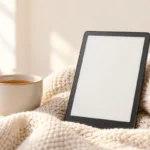
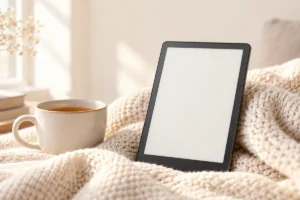
Most e-readers use an E Ink display, which reflects light rather than shining it toward your eyes like a phone or tablet screen. Text can look more like print, especially outdoors. Many models also have a built-in front light for reading in dim rooms. You can usually adjust its brightness, and some devices let you make the light warmer at night.
That does not mean an e-reader prevents eye strain. Small text, poor lighting, and long reading sessions can still be uncomfortable. Its advantage is simpler: a matte, low-glare page that many people find pleasant for reading paragraphs for an hour or more.
There are trade-offs. E Ink refreshes more slowly than an ordinary screen, so scrolling and animations can feel awkward. Standard black-and-white displays do not show colorful books as intended, while color E Ink is generally less vivid than a tablet. For novels and other mostly text-based books, though, screen comfort remains a strong reason to consider a dedicated reader.
Battery Life and Fewer Interruptions
An e-reader uses very little power while a page is sitting still. That is why its battery can often last for weeks rather than the daily charging most people expect from a phone. Actual battery life varies with reading time, screen brightness, wireless use, and features such as audiobook playback.
This matters most when you travel, commute, or read before bed. You can leave an e-reader in a bag without worrying as much about the next charging point. It also keeps your phone available for calls, maps, and other tasks. If charging habits are a concern across your devices, our guide to keeping your phone battery healthy offers related advice.
The other benefit is attention. A book on your phone sits beside messages, apps, and browser tabs. An e-reader cannot remove every distraction, but it gives reading its own space. If you often open a reading app and end up doing something else, that separation may be worth more to you than the battery savings.
Book Stores, Libraries, and File Formats
Before choosing an e-reader, check where your books will come from. Devices differ in their support for store purchases, library loans, borrowed files, and books you add yourself. A book you own in one store may not open on another brand’s device, especially when it has digital rights management, or DRM.
EPUB is a common format for reflowable books, but support and transfer methods vary. PDFs are widely supported yet often frustrating on a small screen because their fixed pages do not resize neatly. Comic books, textbooks, and documents with complex layouts may be easier to read on a larger tablet.
Look at your local library’s lending service before buying, too. Borrowing options can depend on both your country and the device or app you use. If you already have a large collection, confirm that its files can be transferred and read on the model you want. Books can also take up phone space; our guide to freeing up storage on an Android phone may help if you plan to keep reading there instead.
When a Phone or Tablet Is the Better Choice
You do not need an e-reader to enjoy books. A phone is already in your pocket, and reading apps make it easy to start a book while waiting in line or riding a bus. If you read only occasionally, using a device you own is the simplest option. Our budget smartphone buying guide covers the broader choices if your phone is due for replacement.
A tablet is often better for magazines, illustrated children’s books, comics, and large PDFs. Its color screen and faster controls also suit interactive books and documents that require frequent zooming. Phones and tablets typically offer easier access to several reading services through their apps.
The compromise is that bright screens, notifications, and shorter battery life may make long reading sessions less appealing. You can improve the experience by lowering brightness, increasing text size, and turning on a focus mode. Try those changes first. If reading still feels uncomfortable or too easy to interrupt, an e-reader has a clearer purpose.
What an E-Reader Cannot Do Well
An e-reader is a specialist device, not a small tablet. Page turns are usually fine for books, but menus, web pages, and fast scrolling can feel slow. Built-in browsers, where available, are rarely a good reason to choose one. You may also find that notes, highlighting, and searching work differently from the apps you already know.
Size matters as much as software. A compact reader is easy to hold in one hand, yet a small display can make technical PDFs and detailed diagrams hard to use. Larger models give documents more room but are less convenient to carry. Color models can help with charts and covers, though they do not replace a tablet’s bright, rich color.
Audiobook support is another feature to check rather than assume. Some e-readers can play audio through wireless headphones, while others focus on text. Store rules may also limit which audiobooks work. Think of an e-reader as a quieter way to read compatible material; expecting it to handle every kind of media will probably lead to disappointment.
Who Should Consider Buying One in 2026?
An e-reader makes the most sense if you finish books regularly, read outdoors, or want a device that does not invite you to check other apps. It can also suit someone who travels with several books but wants to carry only one lightweight device. If you mainly read short articles or a few pages now and then, your phone may be enough.
Choose features around your habits rather than a long specification list. Adjustable text size and a comfortable front light are useful for many readers. Water resistance may matter if you read near a pool or in the bath. Physical page-turn buttons are a preference, not a necessity. Check the weight if you often hold a book for long periods.
It is also worth checking the charging port and the cable you already carry. Many current devices use USB-C, but you should confirm the model’s connection before making plans around one charger. Our plain-English USB-C guide explains why matching ports do not always mean identical features. Above all, make sure the device works with your preferred books and library.
A Practical Way to Decide
Start with a typical week of reading, not an ideal one. Where do you read, for how long, and what gets in the way? A dedicated device is easier to justify if you regularly read for extended periods and dislike using a phone screen. If most of your reading happens in brief bursts, the convenience of your phone may win.
- Mostly novels and other text: An e-reader is a good fit, provided it supports your book sources.
- Mostly comics, magazines, or complex PDFs: Try a tablet first for its color and flexible screen.
- Occasional reading: Use a phone app and adjust its display settings before adding another device.
- Library borrowing: Check your library’s service against the exact device model, not just the brand.
If possible, handle a device before deciding. Check whether the text looks clear to you, the size feels comfortable, and page turns seem natural. Then look up its supported formats and borrowing options. Those checks tell you more about daily use than a list of extra features will.
Frequently Asked Questions
Are e-readers easier on the eyes than phones?
Many people find matte E Ink screens more comfortable for long reading sessions, especially outdoors. Comfort still depends on text size, lighting, and your own needs.
Can I read library books on any e-reader?
No. Library support varies by service, region, and device, so check your library’s instructions before choosing a model.
Is an e-reader good for PDF textbooks?
A small e-reader can make fixed-layout PDFs difficult to read. A larger screen or a tablet is usually more practical for detailed pages and diagrams.
Do I need an e-reader if I only read a few books a year?
Probably not if you are happy reading on your phone or tablet. Consider one if screen comfort or distractions are stopping you from reading as much as you would like.
Final Thoughts
E-readers are still worth considering in 2026, but not for everyone. Their comfortable text screens, long battery life, and focused design are strongest for regular book readers. If you prefer colorful content or read only occasionally, a phone or tablet you already own may serve you better.