Second-hand audio gear can sound excellent without costing as much as new equipment, but a familiar model name is not enough to make a used item a good deal. We researched which types of gear tend to age well, what beginners can check before paying, and how to judge asking prices without relying on a seller’s claims.
Start With Wired Headphones
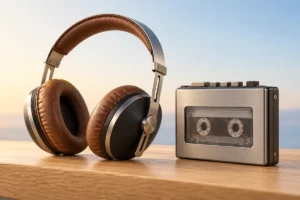
Wired headphones are often a sensible first used-audio purchase. They have no battery to wear out, and many popular models have replaceable ear pads and cables. Long-running models such as the Sennheiser HD 600 and Sony MDR-7506 are easier to research than an obscure pair because you can check their parts, specifications, and typical used listings.
Condition matters more than age alone. Look for cracks in the headband, loose hinges, worn pads, and cable damage near the plug. Listen to speech and music through both sides, then gently move the plug and cable. A brief loss of sound may point to a repair you do not want to take on. If the pads need replacing, include that expense when judging the price.
Open-back headphones leak sound and let outside noise in, so they suit quiet rooms better than shared spaces or commutes. Closed-back models are usually more practical around other people. If you are deciding between portable options, our guide to wireless earbuds and headphones explains the everyday trade-offs before you narrow your used search.
Consider Passive Speakers for a Desk or Small Room
Passive speakers can age well because they have no built-in battery or amplifier. A used pair of bookshelf speakers can be a practical starting point if you have room for them and are willing to add a suitable amplifier. Remember to compare the cost of the complete setup, not just the speakers.
Inspect both speakers closely. The drivers should match, sit securely, and have no obvious tears or pushed-in areas that affect movement. Check the cabinets for water damage and the rear terminals for corrosion or looseness. Play familiar music through each speaker separately at a moderate level. Buzzing, rattling, or a clear difference between left and right deserves an explanation before you pay.
Speaker placement also affects what you hear. A pair crowded into a shelf may sound worse than it would on a desk with some space around it. If the system is for work and casual listening, our small-budget home office guide can help you think through desk space and priorities. Avoid paying extra for a famous badge when a cleaner, locally available pair meets your needs.
Choose an Amplifier You Can Actually Use
A basic stereo amplifier or receiver can serve a beginner well for years, especially with passive speakers. Before looking at older classics, list the connections you need. A turntable may require a phono input or a separate phono preamp. A television may need an appropriate digital connection or an adapter. Do not assume an older unit supports modern features just because it has many sockets.
Ask to hear both channels through speakers. Turn the volume and input controls slowly; loud crackling, dropouts, or a channel that disappears can mean work is needed. Try every input you expect to use, and check that the unit powers on without a burning smell or unusual heat. A seller’s short video is helpful, but an in-person check is stronger.
Vintage receivers may be attractive, yet their age can bring worn switches and components that need service. A well-kept, less fashionable stereo amp is often the simpler beginner choice. Home-theater receivers can be cheap to find, but older models may lack the connections your current devices need. Treat any required repair as a real cost, not a small detail to sort out later.
Keep Digital Audio Gear Simple
A used USB digital-to-analog converter, or DAC, can be useful when a computer’s headphone output is noisy or cannot drive your headphones comfortably. It is not an automatic sound upgrade. Start with the output you already have; if it sounds clean and reaches a comfortable volume, you may not need another box.
For recording, a used audio interface offers microphone inputs and monitoring controls that an ordinary DAC may not have. Check the exact model’s current driver support for your operating system before arranging a meeting. An older interface with an unsupported connection or driver can be a poor bargain even if it switches on. During a demonstration, try the headphone output, each input you need, the main outputs, and every control you will rely on.
Confirm which cable and power supply are included. Similar-looking USB connectors do not always offer the same functions, and missing accessories can change the value of a listing. Our guide to USB-C cables, chargers, and speeds is useful background if you are connecting newer audio gear to a laptop or phone.
Be More Cautious With Wireless Gear
Wireless headphones and portable speakers are convenient, but their rechargeable batteries make them harder to judge second-hand. A device can sound fine during a quick demonstration yet run for much less time than you expect. Battery replacement may be difficult or uneconomical, particularly in small earbuds. Wired gear is usually the safer starting point when longevity matters most.
If you want a used wireless device, confirm that it pairs with your phone, charges normally, and plays from both sides where applicable. Check the charging port and case, and ask how long the device has been used. Do not treat a seller’s battery-life estimate as a measurement. Give it enough time during a meeting to notice obvious shutdowns, but accept that a short check cannot prove long-term battery health.
Look for swelling, damaged seals, or signs that the device has been stored badly. Walk away from a swollen battery. Heat can shorten the useful life of portable electronics, so our guide to protecting gadgets from summer heat is relevant after purchase too. If a wireless model is priced close to a new alternative, the new battery may make that alternative the wiser choice.
Set a Realistic Price for Older Classics
There is no single fair price for an older audio classic. Location, condition, included accessories, repair history, and local demand all matter. A clean Sennheiser HD 600 with usable pads is not directly comparable to one needing pads and a cable. Likewise, a vintage amplifier with documented service is a different purchase from an untested unit with a famous name.
To find a realistic price, look for recently sold listings of the exact model and version in a similar condition. Active asking prices show what sellers hope to receive, not what buyers paid. Check several sales rather than trusting one unusually low or high result. Then compare the total cost with a new alternative that includes the features you need.
Deduct the cost of known missing parts or necessary repairs from what you are willing to pay. If you cannot estimate a fault, treat the item as a repair project rather than a working bargain. Popular names can carry a premium, but they do not make damaged gear dependable. It is reasonable to pass on a deal when the seller cannot demonstrate the basic functions you plan to use.
A Practical Check Before You Pay
Bring the device you will use as a music source, a familiar track, and any suitable cable you already own. Arrange to inspect the item somewhere you can listen without rushing. For speakers and amplifiers, make sure the seller can provide the other working parts needed for a demonstration. A test is much less useful if you cannot connect anything.
- Confirm the exact model and what is included before travelling.
- Check for cracks, corrosion, liquid damage, loose connections, and strong odors.
- Play audio through both channels and listen for buzzing, distortion, or dropouts.
- Try the controls, inputs, charging function, or pairing features you expect to use.
- Compare the asking price with recent sold listings and account for needed parts.
Keep the volume moderate during a test; loud playback can hide problems and is not needed to confirm basic operation. If something fails, ask a clear question rather than guessing at a cheap fix. You do not need to diagnose every fault on the spot. For a first purchase, a fully working, easy-to-connect item is usually worth more to you than an uncertain project.
Frequently Asked Questions
What is the safest type of used audio gear for a beginner?
Wired headphones with replaceable parts and passive speakers are good places to start because they have no battery to assess. You still need to check their physical condition and listen to both channels.
Should I buy an untested vintage amplifier?
Treat it as a repair project, even if the seller says it worked before storage. If you need a working system now, choose an amplifier you can hear and check before paying.
How do I know whether a used price is fair?
Compare recent sold listings for the exact model in similar condition, then allow for missing accessories or repairs. Asking prices alone are not reliable evidence of value.
Are used wireless earbuds worth considering?
They can be, but battery wear is difficult to verify during a short meeting. Check pairing and charging, and compare the price with a new alternative before deciding.
Final Thoughts
The best second-hand audio gear is gear you can inspect, connect, and use without an unexpected repair. Start with simple wired equipment, judge condition before reputation, and use completed sales to guide your budget. If a seller cannot show that the features you need work, it is fine to keep looking.