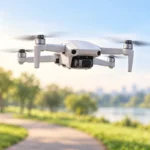
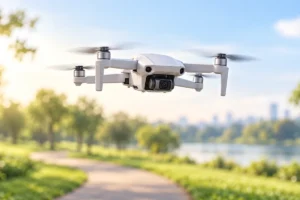
A first drone flight should be more about learning control than getting a perfect video. Before you take off, check the rules where you live, choose a drone you can manage, and plan a short flight in a safe place. This guide covers those steps without assuming every country has the same rules.
Check the Rules Before You Choose a Drone
Drone rules depend on where you fly, what the drone weighs, and how you use it. Start with your national aviation authority’s current guidance, then check local restrictions for the park, beach, or other site you have in mind. A place that looks empty may still be near an airport, a protected area, or a temporary flight restriction.
Look for rules about maximum height, keeping the drone in sight, flying near people, and using a camera. Do not assume a small drone is exempt from every requirement. Some places treat recreational flights differently from flights for paid work, and camera use can raise privacy concerns even when the flight itself is allowed.
Check the rules again before each outing. Airspace restrictions and local access rules can change. If an official map or notice is unclear, do not guess that the flight is permitted; choose another site or ask the relevant authority. Knowing where you may fly is part of choosing the right drone for your area.
Understand Registration and Pilot Requirements
Registration is not the same everywhere. Depending on your location, the drone’s weight, and whether it has a camera, you may need to register the aircraft, register as an operator, complete a basic safety course, or obtain permission for certain flights. Check the official rules before buying so you know what ownership involves.
If registration is required, follow the authority’s instructions for displaying an identification number and keeping your details current. Some places also require insurance or set minimum ages for pilots. Requirements may change when you travel across a border, even if you plan to fly the same drone for fun.
Keep a simple record of the model, serial number, registration details, and any required certificates. Store a copy on your phone as well as somewhere you can access without it. This takes little effort and helps if you need to confirm that you are following the rules. Registration does not grant permission to fly anywhere: site restrictions and safe-flight duties still apply.
Pick Features That Help You Learn
A beginner-friendly drone should make basic control predictable. Look for steady hovering, clear controller instructions, an easy-to-read battery display, and replacement propellers that are readily available. A camera can be useful, but smooth handling and a reliable connection matter more on your first flights.
Features such as GPS-assisted hovering and return-to-home can help, but understand their limits. Return-to-home needs a correctly recorded home point and enough battery to get back. It may not detect wires, branches, or other obstacles. Propeller guards can reduce the chance of contact during practice, but they do not make it safe to fly near people.
Check how the drone, controller, and phone connect before you buy. If a cable is needed, confirm the connector and supported device rather than assuming any cable will work. Our guide to USB-C cables and chargers can help you sort out charging basics. Also check whether the flight app works with your phone and whether you can get spare batteries through a reliable source.
Budget for More Than the Drone
The price on the box is not the full cost of getting started. You may also need a spare battery, replacement propellers, a suitable charger, a carrying case, or a memory card. Depending on local rules, registration, training, or insurance may add to the total. Make a list before comparing models so a low initial price does not hide an inconvenient setup.
Think about repairs as well. Props are exposed, and minor bumps are possible while learning. Check whether common parts are available and whether the manufacturer explains how to replace them safely. If a damaged part cannot be replaced, an otherwise affordable drone may be frustrating to own.
A portable power bank can help keep a phone or controller charged, but it may not charge a drone battery. Check the battery’s charging requirements and the manufacturer’s guidance first. Our guide to portable power bank specifications explains why capacity and output are different questions. For a first drone, plan around realistic flight time and safe charging rather than buying accessories on a guess.
Prepare Batteries, Software, and Equipment
Charge the drone and controller with equipment approved for them, and follow the battery instructions. Check for swelling, damage, or unusual heat; do not use a battery that appears unsafe. Bring enough power to finish the flight and land with a reserve, not just enough to reach the drone’s advertised flight time.
Install the flight app and any needed updates at home, where you have time to read the prompts. Updates can change controls or require a restart. Confirm that the controller pairs, the camera view appears if the drone has one, and the app shows the information you need. Check the propellers and arms for damage before packing.
Heat affects batteries and electronics. Do not leave a drone or spare battery in a hot car, and allow warm equipment to cool as its instructions recommend before charging it. Our guide to protecting gadgets from summer heat covers the wider issue. At the flight site, keep spare batteries protected from damage and away from loose metal objects.
Choose a Safe Place and Time
For your first flight, choose a lawful, open area with room to take off, hover, turn, and land. Stay well away from roads, buildings, power lines, trees, animals, and other people. Get any permission needed to use the site. An open space makes it easier to see the drone and gives you more time to respond if it drifts.
Pick a calm, dry day with good visibility. Wind can be stronger above ground level than it feels where you stand, and a small drone may struggle to return against it. If conditions make steady hovering difficult, postpone practice. Avoid flying into the sun, which can make the drone hard to track.
Choose a clear launch and landing spot, and decide where you will stand. Tell anyone with you to stay behind the takeoff area and not to approach a moving drone. Keep the aircraft in sight instead of relying only on its camera feed. If another aircraft approaches or people enter your practice area, land safely and wait.
Follow a Simple First-Flight Plan
Begin with the drone’s instructions, not a camera shot you want to capture. Check that the propellers are secure, the batteries have enough charge, the controls respond, and any GPS or home-point status is ready if you intend to use return-to-home. Set a conservative height and distance for practice, within local rules.
Take off and hover at a low, safe height in the open area. Make small control movements. Practice moving forward, back, left, and right, then turn slowly and return to your starting position. Pause between movements so you can see what each input does. Keep the drone close enough that its direction is easy to judge.
Land while you still have plenty of battery. Afterward, inspect the drone and note anything confusing to review before the next flight. If you use a phone for the flight app or video, free up space beforehand; our Android phone storage guide offers practical steps. Recording can wait until basic control feels familiar.
Practical Tips: Match the Drone to Your First Flights
When comparing drones, picture where and how you will actually practice. A compact drone is easier to carry, but size alone does not tell you how it handles wind or which rules apply. A model with more automated features may reduce some workload, but you still need to understand the controls and watch its surroundings.
- If you have limited open space: find a lawful practice site before choosing a model. Do not count on an empty street or a crowded park.
- If you want video: check camera quality and storage options, but give stable flight and clear controls equal attention.
- If you expect to travel: check the rules at your destination and the carrier’s battery policy before packing.
- If you are unsure between two models: compare replacement parts, app compatibility, and instructions, not just flight-time claims.
A good first choice is one you can legally fly in places available to you, maintain without difficulty, and control with confidence.
Frequently Asked Questions
Do I need to register a small drone?
Possibly. Registration rules vary by location and may depend on weight, camera use, or how you fly, so check your aviation authority’s current guidance.
Can I fly a drone in any public park?
No. Check both airspace rules and the park’s own rules before flying, and choose another site if permission is unclear.
Is return-to-home enough to prevent a crash?
No. It depends on correct setup, sufficient battery, and a clear route, so keep watching the drone and be ready to control it.
What should I practice on my first flight?
Practice a short hover, gentle movements in each direction, a slow turn, and a controlled landing in a lawful open area.
Final Thoughts
Start with the rules, then choose a drone and practice site that suit a beginner. Prepare your equipment at home and keep the first flight short and simple. Once you can take off, hover, and land calmly, you will have a safer foundation for longer flights.